Support for mental health
Full-day training. Can be arranged on request - on-site or digitally. Read more under Commissioned Training . You can find our contact details here. Or use the contact form on this page .
🌺 What should you say and do?
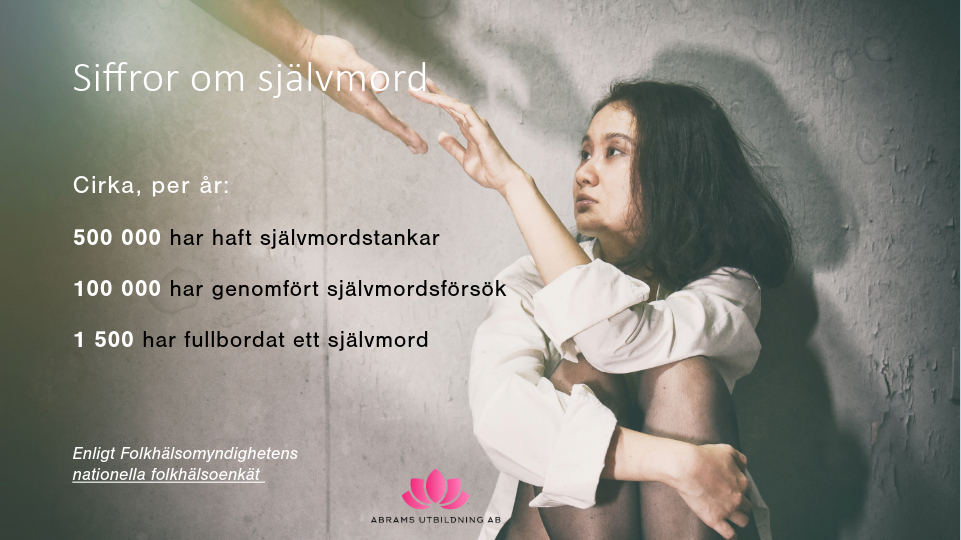
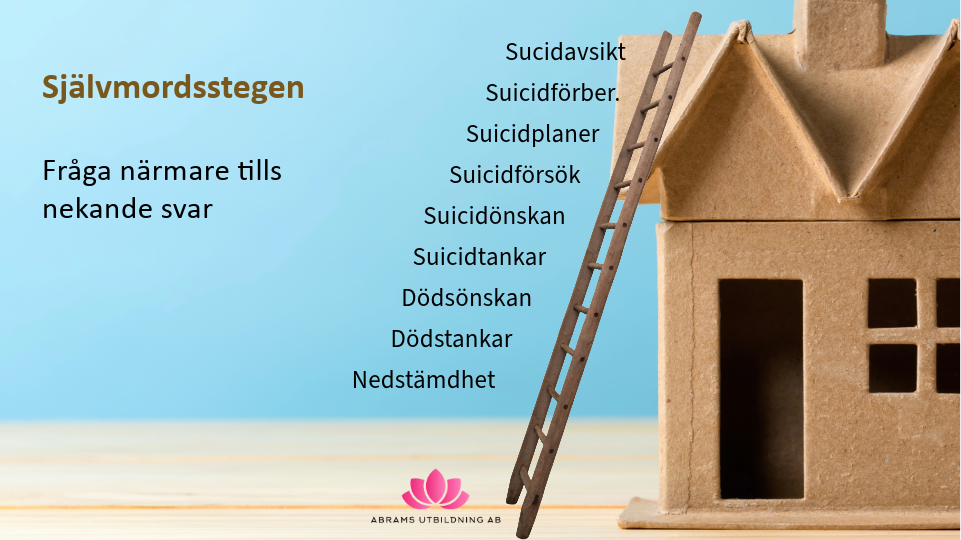
🌺 When a person has, for example, anxiety or thoughts of taking their own life?
🌺 This day gives you an overview and practical advice that you can benefit from immediately.
Content
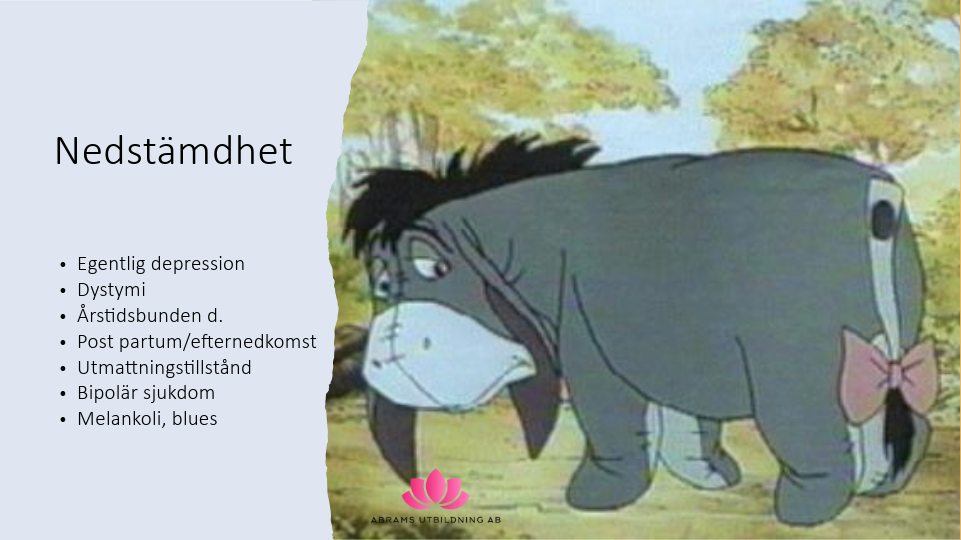
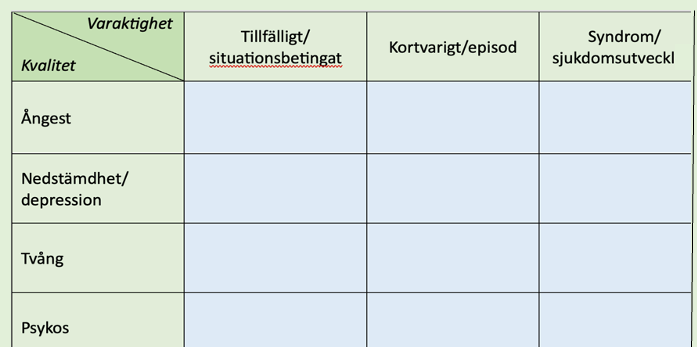
✨ Knowledge. What are the most common conditions and how do you recognize them? Treatment - some things apply generally - but what differs depending on the condition? This day gives you the important knowledge you need to feel confident and be able to take on conversations that may now seem difficult.
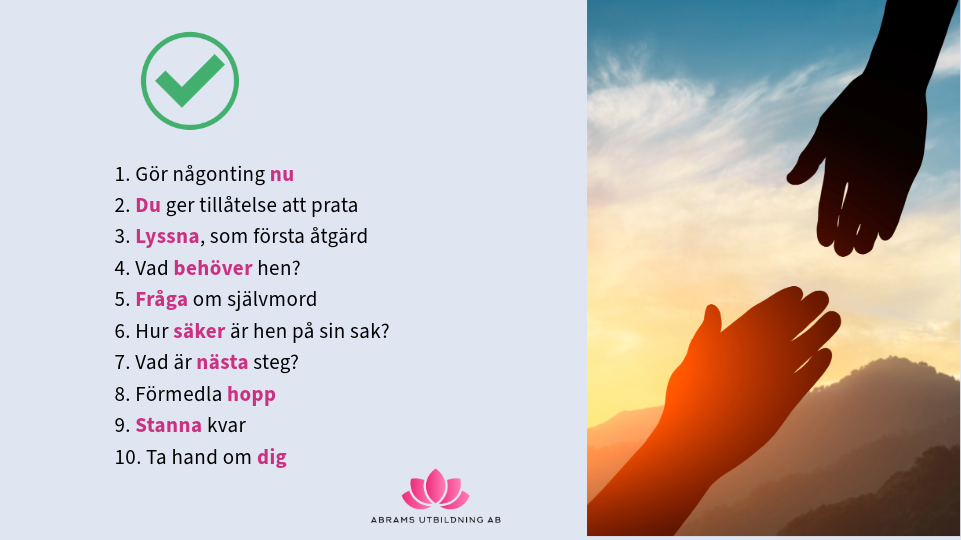
✨ Build trust. How do you create the trust needed to collaborate? Become more confident in making contact, talking and supporting, for example when you suspect that a person may be having suicidal thoughts.
✨ How to do it. The day will have practical elements where we who hold the day role-play and show examples of treatment, conversation and problem solving within the various mental health conditions we present.
✨ Ask questions to people with their own experience. Two people with personal experience of mental health difficulties will participate in person or on screen via video call. They will briefly talk about their experiences and there will be an opportunity for participants to ask them questions.
Who should take this training?
The course is aimed at those of you who, privately or at work, encounter people with mental health difficulties and who need a deeper understanding. It is suitable, for example, for those of you who are:
🎯 Family member or friend
🎯 Staff in healthcare, social work, housing or in school/education or service
Are any prerequisites required?
Not necessarily. We're starting from scratch. But we've all met people who aren't feeling well (or have done it ourselves) so no one starts from scratch.
What you will learn:
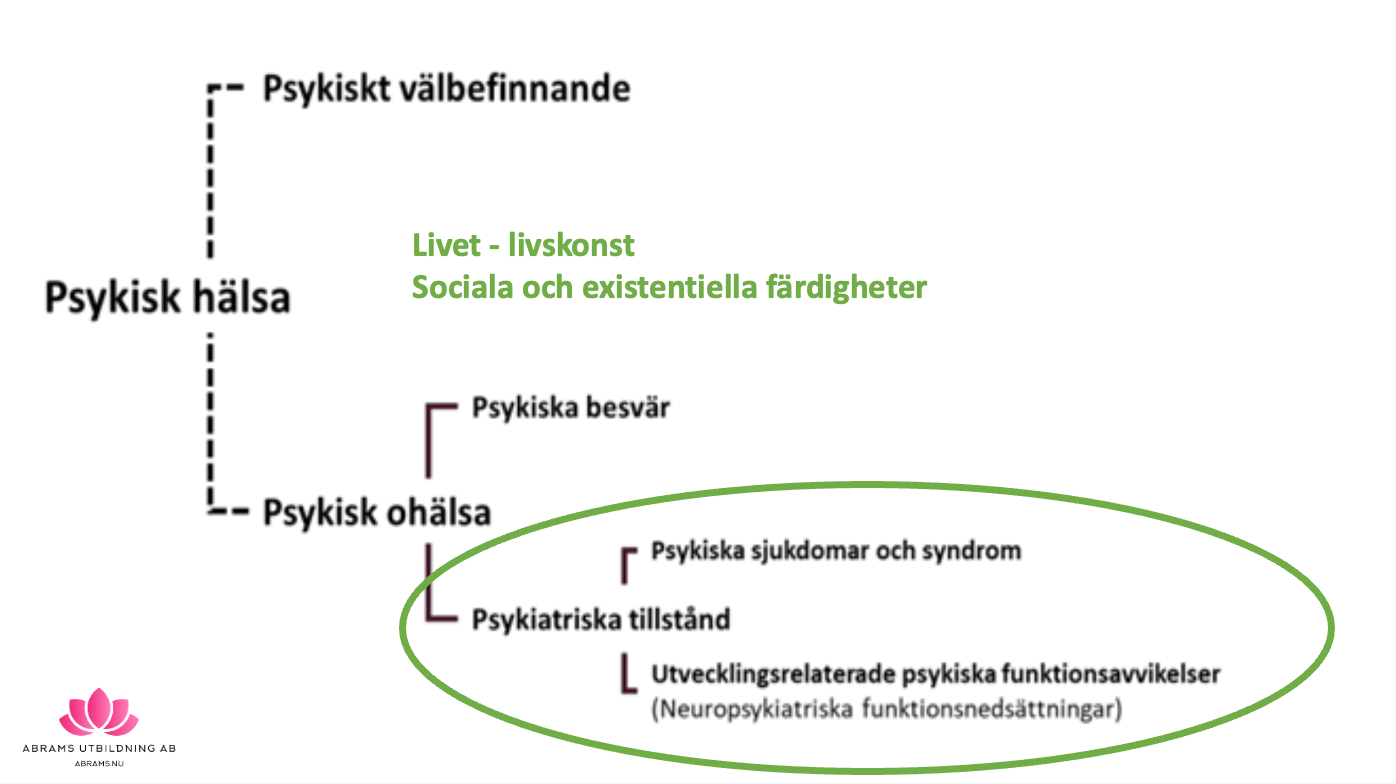
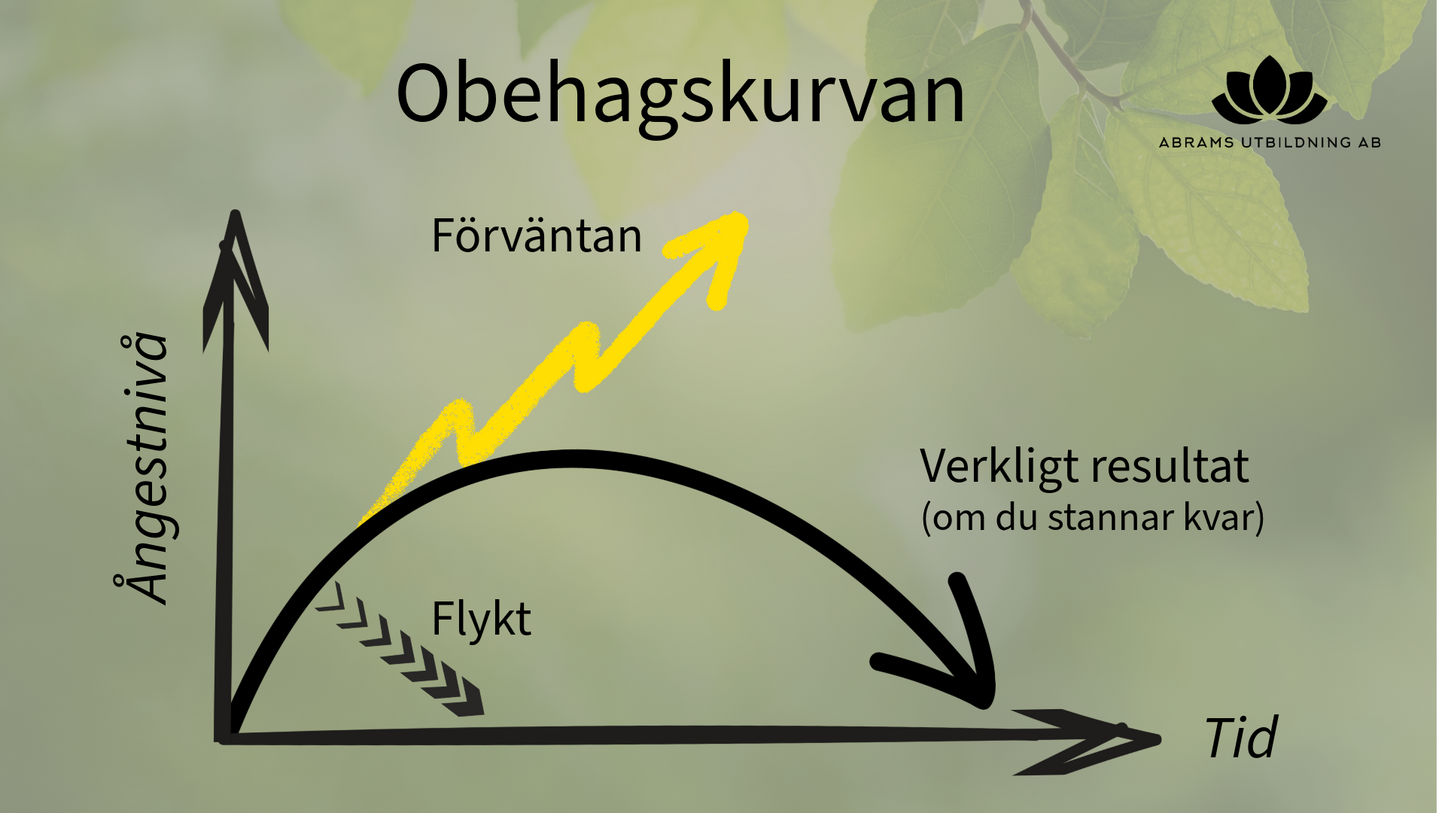
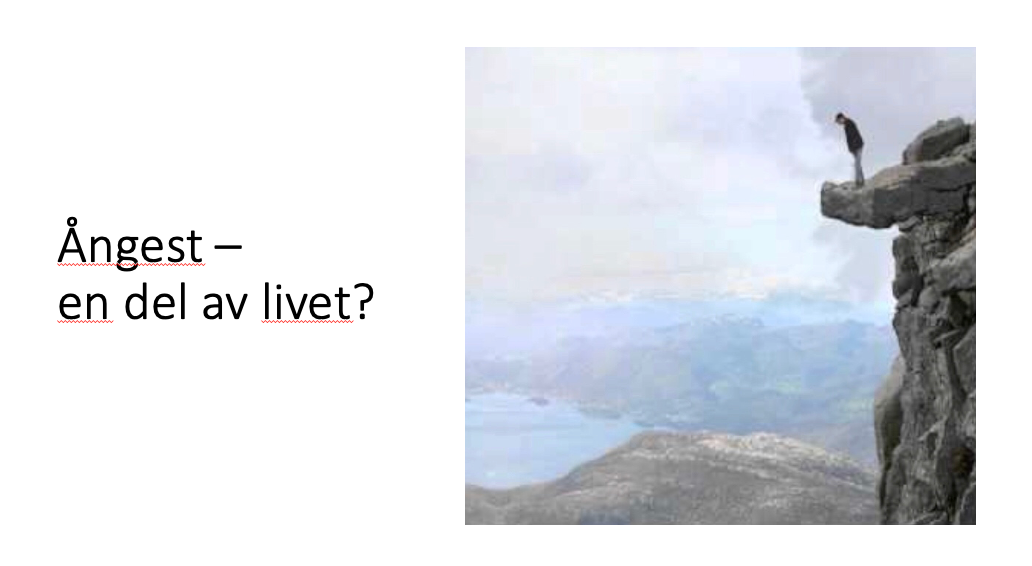
🌿 Recognizing mental symptoms: The day provides an overview of the most common difficulties that affect young people and adults and how to respond.
🌿 Cognitive challenges: Many mental health conditions involve impaired cognitive abilities, such as problems with memory, problem-solving, social interaction, and attention. This is important to understand in order to collaborate and compensate for the other person's difficulties.
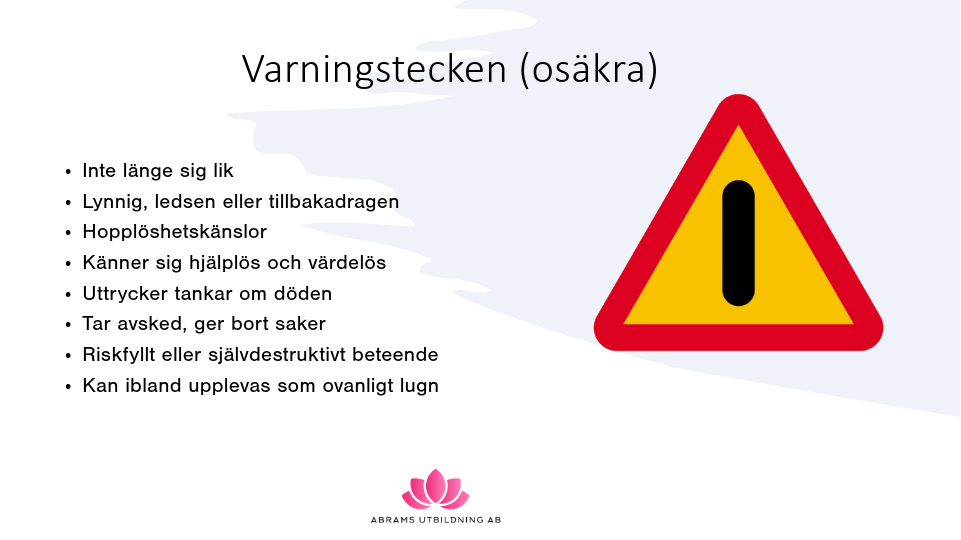
🌿 Handling difficult conversations: Set up the conversation so it works when you encounter people with suicidal thoughts or other difficult situations.
We will also touch on questions about
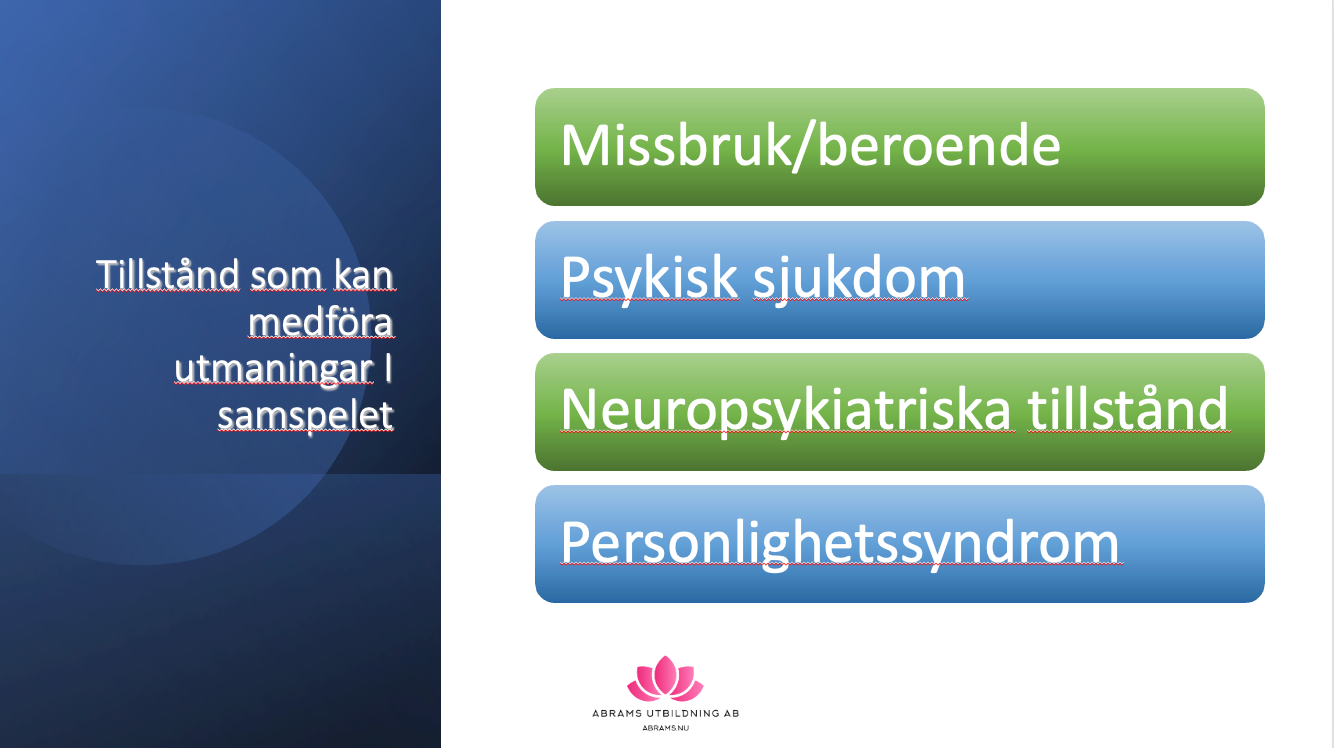
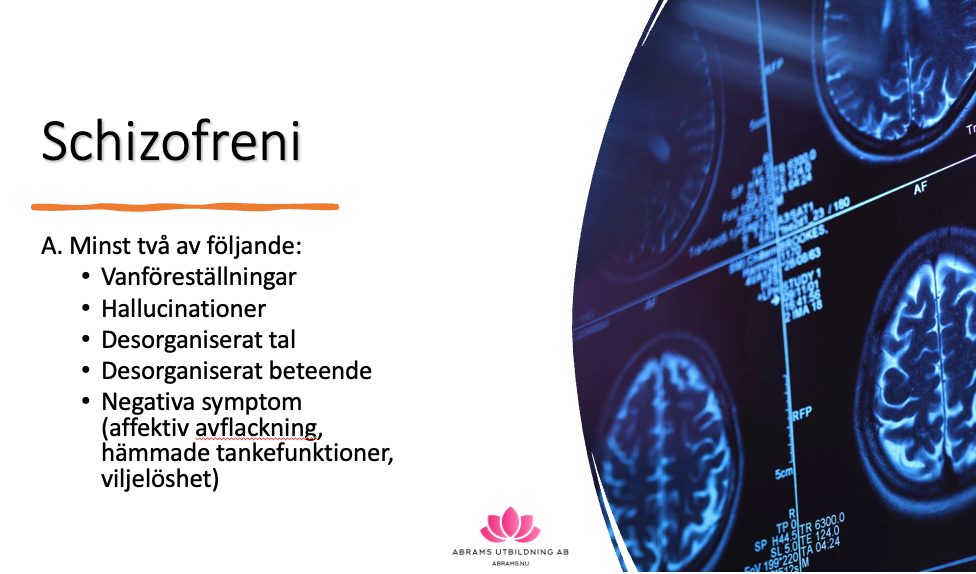
🌿 Mental illnesses: Orientation about bipolar disorder, psychotic illnesses such as schizophrenia.
🌿 Addiction: Difficulties related to addiction. It is common for addiction to be combined with other mental health conditions and we will highlight this in different ways during the day.
🌿 Stress-related conditions: Exhaustion, PTSD and other stress-related problems are discussed.
🌿 Neuropsychiatric conditions: ADHD to autism spectrum conditions - understanding and providing support for different needs.
🌿 Personality variants that cause problems: Identify and understand which mental health conditions are primarily related to personality traits, and which are not diseases, episodes or neuropsychiatric conditions. .
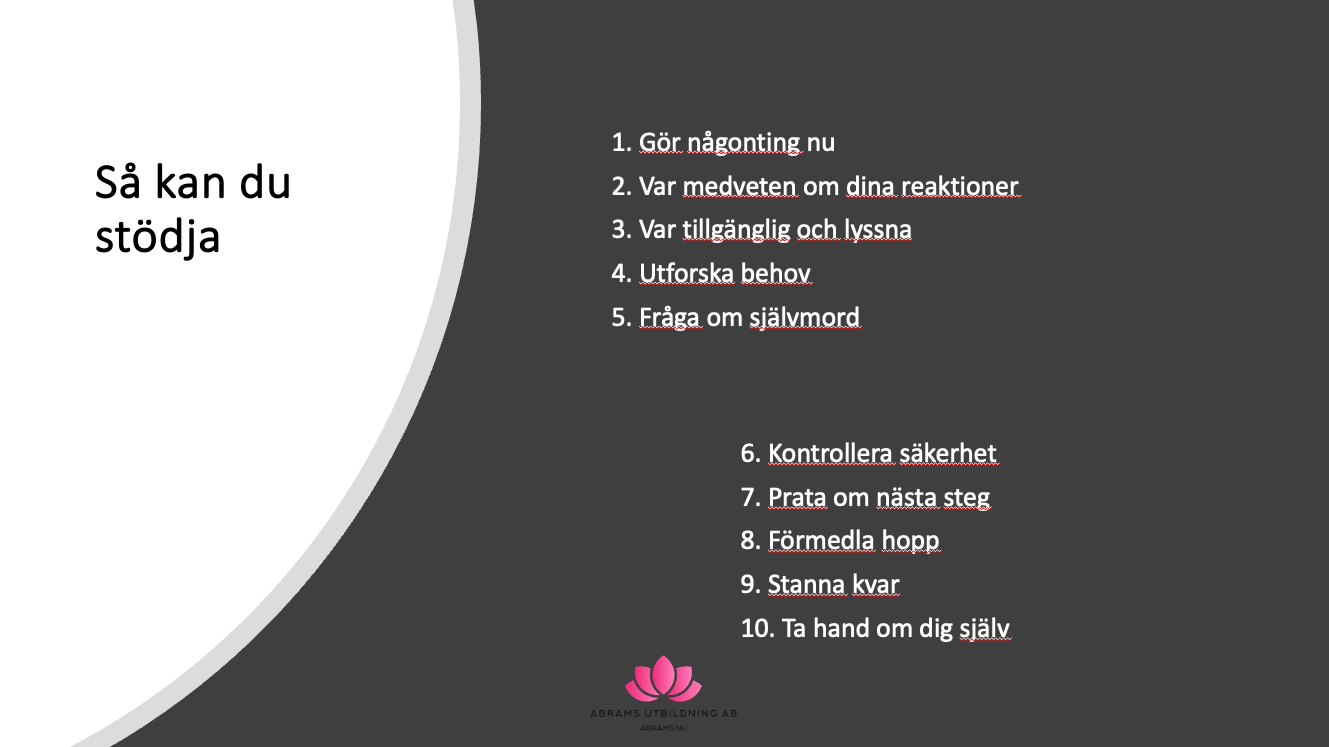
This course can be your key to becoming a supportive and competent resource for people who need help with their mental health.
For those who wish, there is the opportunity to receive a course certificate.
Share